Nearly 15 percent of lost pets never return home because they slipped out of loose gear. This statistic shows why proper dog collar fit remains essential for pup safety. Ensuring the strap sits correctly is vital for pet health. Safety starts with a reliable setup.
Getting the tension right makes every walk enjoyable. Secure neckwear prevents skin irritation and keeps canines safe during distractions. If the gear is too loose, your furry friend might escape. Conversely, overly snug items might cause breathing issues.
Owners must check equipment regularly. This guide explores the best methods to maintain pet accessories effectively. We cover safety checks and measurement tips. Mastery of these basics ensures your companion stays safe during every adventure. You will learn the two-finger rule and other essential methods for your favorite pup.
Key Takeaways
- Achieving the perfect strap tension ensures your pet stays safe.
- Proper alignment prevents painful skin irritation and fur loss.
- Use the two-finger rule for reliable safety checks.
- Regular inspections help maintain gear integrity and longevity.
- Secure fittings provide peace of mind during outdoor walks.
- Correct sizing promotes better neck health for your canine.
Why Proper Dog Collar Fit Matters
Properly fitting a dog collar is vital to avoid various health and safety concerns associated with poorly fitted collars. A dog collar that is either too tight or too loose can lead to a range of issues that affect your dog’s comfort, safety, and overall well-being.
Safety Concerns with Loose Collars
A loose collar can pose significant safety risks. For instance, a collar that is too loose may slip over your dog’s head, potentially leading to escape or getting caught on objects, which can cause injury or even strangulation. Moreover, a loose collar can make it difficult to control your dog during walks, increasing the risk of accidents or unwanted interactions with other animals or people.
Key safety concerns include:
- Risk of the collar slipping off
- Increased risk of accidents during walks
- Potential for the collar to get caught on objects
Health Issues from Overly Tight Collars
On the other hand, a collar that is too tight can cause health issues. An overly tight collar can restrict your dog’s breathing, irritate the skin around the neck, and even lead to hair loss. In severe cases, it can cause more serious health problems, such as damage to the trachea or thyroid gland.
Health issues associated with tight collars include:
- Skin irritation and allergic reactions
- Breathing difficulties
- Hair loss around the neck area
The Impact on Training and Control
The fit of a dog collar also significantly impacts training and control. A well-fitted collar ensures that commands and corrections are effectively communicated to your dog, facilitating better training outcomes. Conversely, a poorly fitted collar can hinder the training process and make it challenging to control your dog, especially in distracting environments.
A proper fit enhances the effectiveness of training by ensuring that the collar stays in place and functions as intended, allowing for clear and consistent communication between you and your dog.
Understanding the Two-Finger Rule
The two-finger rule is a widely accepted method for determining whether your dog’s collar is fitted correctly. This simple test ensures that the collar is not too tight or too loose, providing a comfortable and safe fit for your dog.
What the Two-Finger Rule Means
The two-finger rule means that you should be able to comfortably slide two fingers between the collar and your dog’s neck. This guideline allows for enough room to prevent the collar from being too constricting while preventing it from being so loose that it slips over your dog’s head.
“A properly fitted collar is essential for your dog’s comfort and safety.” As a general guideline, the two-finger rule helps you strike the right balance.
How to Test Your Dog’s Collar Fit
To apply the two-finger rule, start by having your dog stand or sit comfortably. Place two fingers between the collar and your dog’s neck, ensuring they are not pinched or restricted. If your fingers fit comfortably, the collar is likely fitted correctly.
- Check that the collar is not too tight by ensuring you can slide your fingers under it without difficulty.
- Verify that the collar is not too loose by checking that it doesn’t slip over your dog’s head or rotate excessively around their neck.
Adjustments for Different Breed Sizes
Different breeds have varying neck sizes and shapes, so it’s essential to consider these factors when adjusting the collar. For example, breeds with narrower heads, such as Greyhounds, may require more careful adjustment to prevent the collar from slipping off.
For larger breeds or dogs with thicker coats, ensure the collar is not too tight, as this can cause discomfort or even health issues. Regularly checking the fit and making adjustments as needed is crucial.
“Regular checks are vital to ensure the collar remains comfortable and safe for your dog.”
Types of Dog Collars and Their Adjustment Methods
Dog owners have a variety of collar options, each with its unique adjustment method to ensure a comfortable and secure fit. The type of collar chosen depends on the dog’s size, breed, and individual needs, as well as the owner’s preferences. Understanding the different types of collars and how to adjust them is crucial for the dog’s comfort and safety.
Buckle Collars
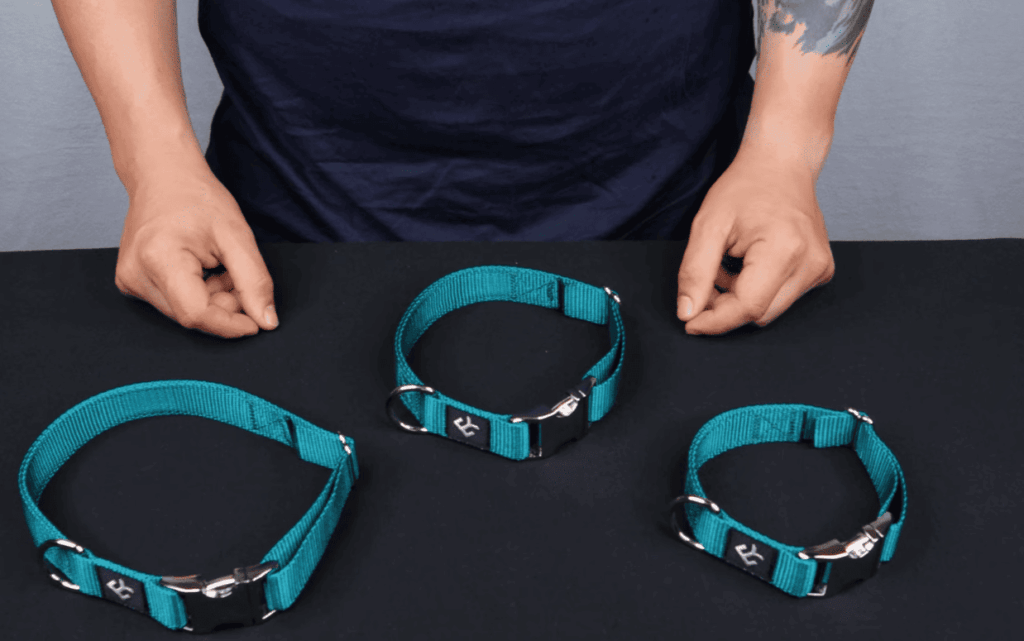
Buckle collars are one of the most common types of dog collars. They are simple to use and adjust, much like a belt. To tighten a buckle collar, you simply need to adjust the buckle by moving it to the desired notch. It’s essential to check the fit regularly, as buckle collars can become loose if the dog loses weight or grows.
Adjustment Tip: To adjust a buckle collar, place it around your dog’s neck, fasten it, and then check if you can fit two fingers comfortably between the collar and the dog’s neck. If it’s too tight or too loose, adjust the buckle accordingly.
Quick-Release Collars
Quick-release collars are designed for safety and convenience. They have a mechanism that allows the collar to release quickly if it gets caught on something. Adjusting a quick-release collar involves sliding the adjuster to the desired length and ensuring the quick-release buckle is secure. It’s crucial to check that the quick-release mechanism is functioning properly.
Key Feature: The quick-release mechanism is a safety feature that can prevent accidents by allowing the collar to come off if it gets caught.
Martingale Collars
Martingale collars are designed for dogs that tend to slip out of their collars. They work by tightening when the dog pulls on the leash, preventing the dog from escaping. To adjust a martingale collar, you need to adjust both the main collar and the martingale loop. The main collar should be adjusted so that it fits comfortably around the dog’s neck, while the martingale loop should be adjusted so that it tightens when the leash is pulled but doesn’t constrict the dog’s neck when it’s not.
Adjustment Tip: Ensure the martingale loop is not too tight when the leash is not pulled, as this can cause discomfort. The loop should tighten only when necessary.
Slip Collars and Chain Collars
Slip collars and chain collars are often used for training purposes. They work by applying gentle pressure around the dog’s neck when the leash is pulled. To adjust a slip or chain collar, you need to adjust the length so that it fits over the dog’s head but is not so loose that it slips off during training. The ideal adjustment allows for a gentle correction without causing discomfort.
Training Tip: When using a slip or chain collar for training, it’s essential to use positive reinforcement techniques to avoid causing stress or discomfort to the dog.
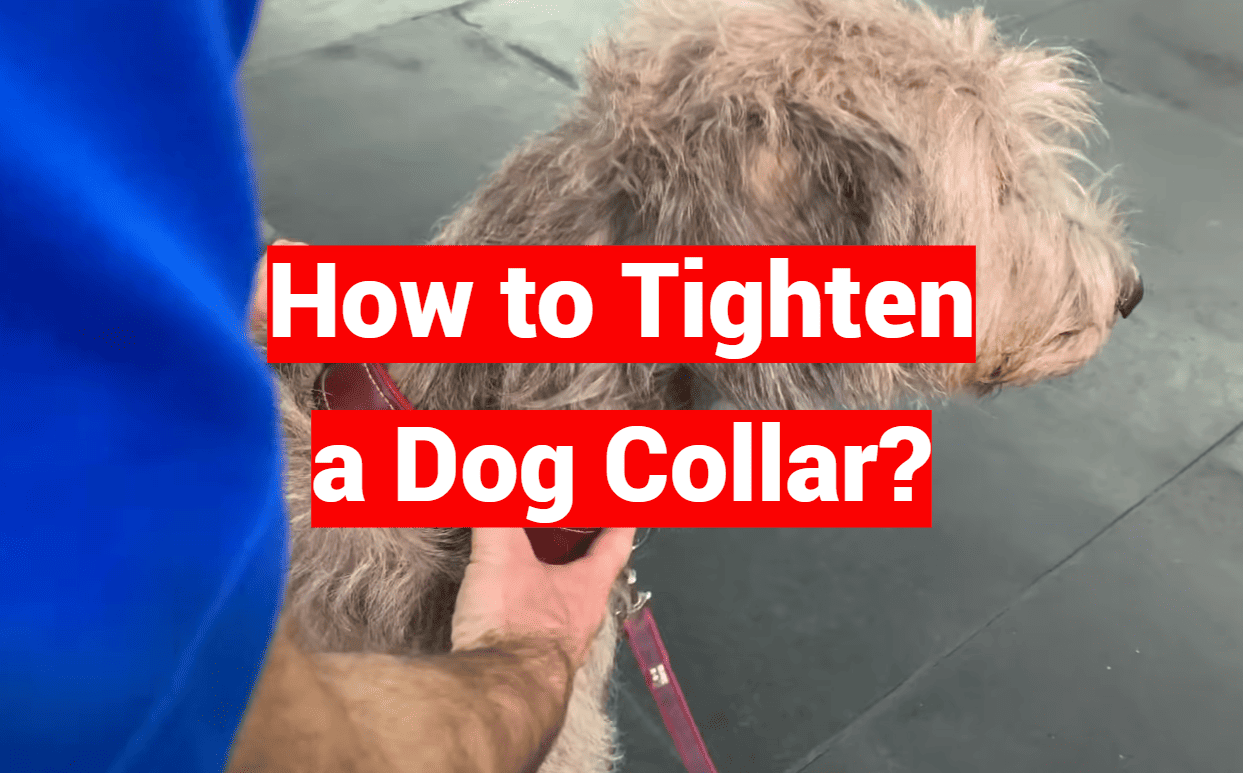
How to Tighten a Dog Collar? Step-by-Step Instructions
Learning how to properly tighten a dog collar is essential for your pet’s comfort and safety. A well-fitting collar ensures that your dog is secure and comfortable, whether you’re walking them or simply having them wear it around the house.
Gather Your Materials and Prepare Your Dog
Before you start, make sure you have a soft measuring tape, your dog’s collar, and some treats ready. To begin, measure your dog’s neck accurately using the soft measuring tape. Wrap it around their neck where the collar normally sits—high on the neck, just below the ears. This will give you a baseline for how tight or loose the collar should be.
Place the Collar Around Your Dog’s Neck
Put the collar around your dog’s neck, ensuring it’s positioned correctly. The collar should be high on the neck, just below the ears. Make sure it’s not twisted or caught on anything.
Adjust the Collar to Initial Position
Adjust the collar to a comfortable position. It should be loose enough to slide over your dog’s head but not so loose that it slips off. You can use the measurement you took earlier as a guide.
Apply the Two-Finger Test
The two-finger test is a simple way to check if the collar is too tight or too loose. You should be able to fit two fingers comfortably between the collar and your dog’s neck. If you can’t fit two fingers, the collar is too tight. If you can fit more than two fingers, it’s too loose.
| Collar Fit | Two-Finger Test Result | Adjustment Needed |
|---|---|---|
| Too Tight | Can’t fit two fingers | Loosen the collar |
| Just Right | Can fit two fingers comfortably | No adjustment needed |
| Too Loose | Can fit more than two fingers | Tighten the collar |
Secure the Collar Properly
Once you’ve adjusted the collar to the correct fit, secure it properly. For buckle collars, this means buckling it in place. For quick-release collars, ensure the quick-release mechanism is securely locked.
Trim Excess Length if Needed
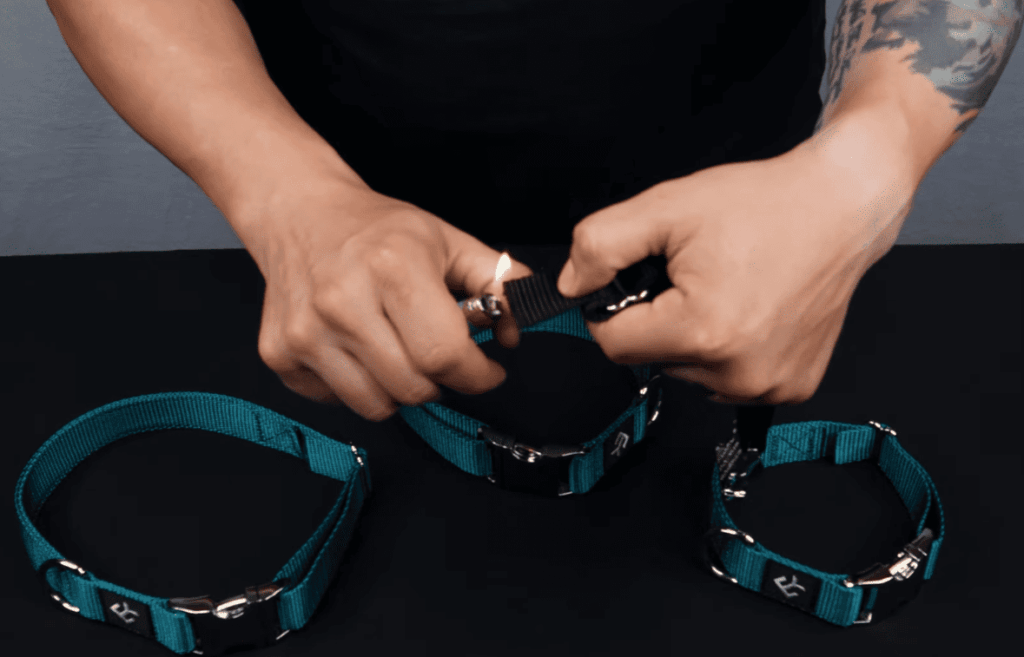
If your dog’s collar has excess length after adjusting it, you may need to trim it. This is especially true for collars with a lot of extra material. Trimming the excess can help prevent the collar from getting caught on things.
By following these step-by-step instructions, you can ensure your dog’s collar is properly fitted and comfortable. Regularly checking and adjusting the collar as needed will help keep your dog safe and happy.
Signs Your Dog’s Collar Fits Correctly
Properly fitting your dog’s collar is a simple yet critical task for their overall well-being. A correctly fitted collar ensures your dog’s comfort and safety, preventing potential health issues. So, how can you tell if your dog’s collar is properly fitted?
Visual Indicators of Proper Fit
One of the primary ways to check if your dog’s collar fits correctly is by looking for visual indicators. The collar should sit snugly around your dog’s neck without being too tight or too loose. You should be able to fit two fingers comfortably between the collar and your dog’s neck. If the collar is too loose, it may slip over their head or get caught on objects, while a collar that’s too tight can cause discomfort and health issues.
Your Dog’s Behavior and Comfort Level
Your dog’s behavior is a significant indicator of whether their collar fits properly. If your dog seems uncomfortable, scratches at the collar frequently, or shows signs of distress, it may be too tight or irritating their skin. On the other hand, if the collar is too loose, your dog might try to slip out of it or get it caught on things, which can also cause anxiety.
Observe your dog’s behavior when they’re wearing the collar. If they seem relaxed and unaffected by the collar’s presence, it’s likely a good fit. However, if you notice any signs of discomfort or stress, it’s worth checking the fit again and making adjustments as needed.
Checking for Skin Irritation or Marks
Regularly inspecting your dog’s neck for signs of skin irritation or marks is crucial. Check for redness, sores, broken hair, or any unusual odor under the collar, as these can be signs of irritation or pressure. If you notice any of these issues, adjust the collar’s fit or consider changing to a different type of collar that may be more comfortable for your dog.
Regular checks are essential to ensure the collar continues to fit properly as your dog grows or changes weight. By keeping an eye on these signs and making necessary adjustments, you can help ensure your dog’s collar is always comfortable and safe.
Common Mistakes When Tightening Dog Collars
Adjusting a dog collar is more nuanced than it appears, with several common mistakes that can be easily avoided with the right knowledge. Ensuring a proper fit is crucial for your dog’s comfort, safety, and training effectiveness.
Making the Collar Too Tight
One of the most common errors is tightening the collar too much. A collar that is too tight can cause discomfort, skin irritation, and even lead to more serious health issues such as tracheal damage or neck strain. It’s essential to check that you can fit two fingers comfortably under the collar.
Leaving the Collar Too Loose
Conversely, a collar that is too loose can also pose risks. It may slip over your dog’s head, potentially leading to escape or getting caught on objects, which can cause injury. Moreover, a loose collar can make it difficult to control your dog during walks.
Ignoring Your Dog’s Growth and Weight Changes
Puppies grow incredibly fast—sometimes several sizes in just a few months. It’s crucial to check the fit weekly and be prepared to adjust or replace the collar often. Similarly, adult dogs can experience weight changes that affect collar fit. Regular checks are necessary to ensure the collar remains comfortable and secure.
Using the Wrong Collar Type for Your Dog
Different breeds and sizes of dogs require different types of collars. For instance, Martingale collars are ideal for dogs with narrow heads, like Greyhounds, as they prevent slipping off. Understanding your dog’s specific needs and choosing the right collar type is vital for their comfort and your peace of mind.
By being aware of these common mistakes and taking steps to avoid them, you can ensure your dog’s collar is always comfortable and safe, enhancing their overall well-being.
Safety Tips and Best Practices
Safety tips and best practices for dog collars can significantly reduce the risk of accidents. Ensuring your dog’s collar is used correctly is crucial for their safety and comfort.
Regular Collar Fit Checks
Regularly checking your dog’s collar fit is essential. Dogs grow, and their weight can fluctuate, affecting how their collar fits. It’s recommended to check the fit every few weeks, or more often if your dog is still growing. A simple way to check the fit is by using the two-finger rule: you should be able to fit two fingers comfortably under the collar.
When to Remove Your Dog’s Collar
There are times when it’s advisable to remove your dog’s collar to prevent potential risks. For instance, when your dog is indoors and unsupervised, removing the collar can prevent it from getting caught on furniture or crates, which could lead to injury or strangulation. It’s a good practice to remove the collar during indoor time when possible.
Collar Safety for Puppies vs. Adult Dogs
Puppies and adult dogs have different needs when it comes to collar safety. Puppies require more frequent checks due to their rapid growth, and their collars should be adjusted or replaced as needed. Adult dogs also need regular checks, especially if their weight changes or if they engage in activities that could affect the collar’s fit.
Combining Collars with Harnesses
Using a collar in conjunction with a harness can be a safe and effective way to walk your dog. However, it’s crucial to ensure that both the collar and harness fit properly and are not too tight or too loose. The harness should be the primary means of control during walks, with the collar serving as an additional identifier.
When and How Often to Readjust Your Dog’s Collar
Ensuring your dog’s collar fits properly is an ongoing task that requires attention to their growth and lifestyle changes. A well-fitting collar is crucial for your dog’s comfort, safety, and effective training. Several factors can necessitate readjusting your dog’s collar, including growth stages, weight changes, seasonal coat variations, and grooming.
Growth Stages in Puppies
Puppies grow rapidly, especially during the first few months of their lives. It’s essential to check and adjust their collar every few weeks to accommodate their growth. A collar that is too tight can be uncomfortable and potentially harmful, while one that is too loose may not serve its purpose effectively.
Weight Fluctuations in Adult Dogs
Adult dogs can experience weight fluctuations due to changes in diet, exercise, or health conditions. These changes can affect the fit of their collar. Regular checks are necessary to ensure the collar remains comfortable and functional.
Seasonal Changes and Coat Thickness
Dogs with thick or double coats require extra attention during seasonal changes. As their coat thickness varies, the fit of their collar can change. It’s crucial to part the fur to check the actual neck and feel where the collar sits, ensuring it’s not too tight or too loose.
After Grooming Sessions
Grooming can alter the fit of your dog’s collar, especially if it involves trimming or clipping their fur. After grooming sessions, it’s a good practice to check the collar’s fit and make any necessary adjustments to ensure your dog’s comfort and safety.
Conclusion
A properly fitted dog collar is crucial for your dog’s comfort, safety, and health. Ensuring a comfortable dog collar that is not too tight or too loose is vital for dog collar safety.
By following the guidelines outlined in this article, you can achieve a proper dog collar fit that works for you and your dog. Remember to regularly check and adjust the collar as needed, especially during growth stages or weight fluctuations.
A well-fitted collar starts with choosing quality gear built to adjust smoothly and securely. Look for collars with sturdy hardware that won’t wear out quickly, ensuring your dog’s collar remains safe and comfortable over time.