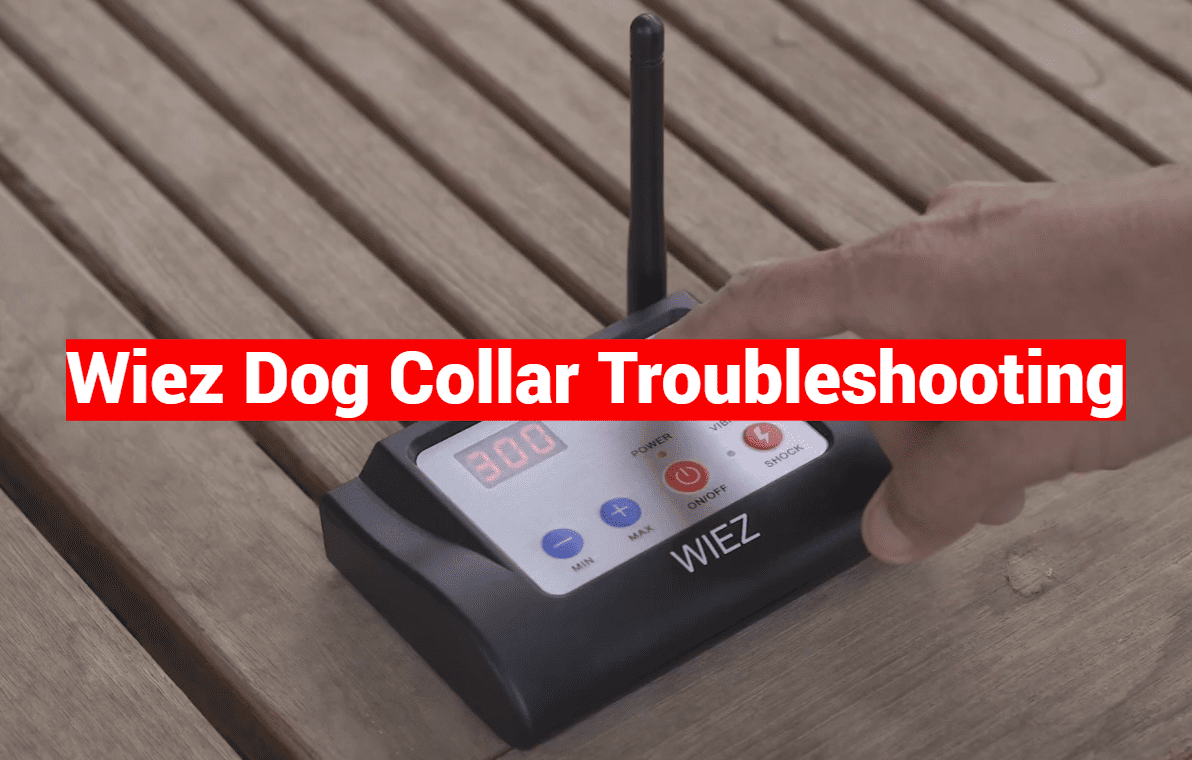
Did you know that nearly two-thirds of electronic boundary system malfunctions stem from simple setup errors rather than hardware failure? This surprising reality means most wireless fence issues are easily solvable with the right steps. Providing a safe yard for your pet is a top priority for every dedicated owner.
The unit is built for a seamless experience, yet outside factors can sometimes disrupt the signal. Mastering Wiez Dog Collar Troubleshooting ensures your furry friend stays protected and happy. Addressing power drain quickly restores peace of mind for the whole family.
When your boundary tech acts up, it often feels frustrating and complicated. Small adjustments to the transmitter or checking the battery life can often fix the most common glitches instantly. Keeping your containment unit in peak condition is vital for reliable safety and long-term performance.
Key Takeaways
- Identify signal interference from large metal objects.
- Check the receiver power level to prevent outages.
- Ensure proper placement of the transmitter base.
- Reset the synchronization between the paired units.
- Inspect the contact points for consistent effectiveness.
- Maintain a consistent training routine for best results.
Understanding Your Wiez Dog Collar System
Understanding the intricacies of your Wiez dog collar system is the first step towards resolving any issues that may arise. The Wiez dog collar is part of a comprehensive training system designed to keep your dog safe within designated boundaries.
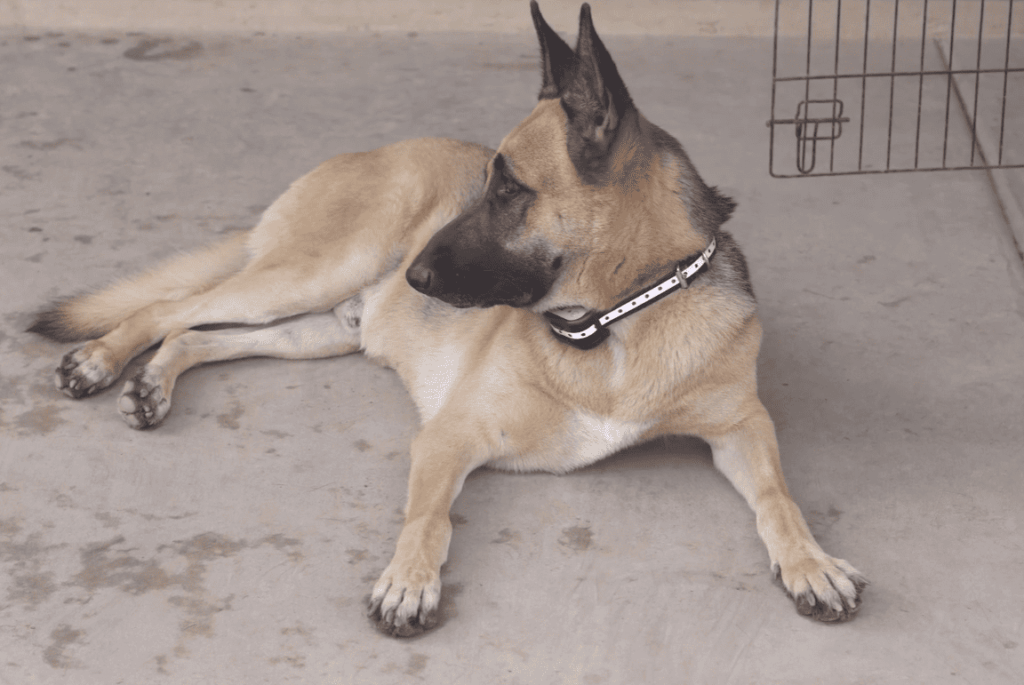
Main Components of the Wiez Collar
The Wiez dog collar system includes several key components that work together to provide a safe and enjoyable experience for your dog. These components are:
- The transmitter, which sends signals to the receiver collar to maintain boundary discipline.
- The receiver collar, worn by your dog, which receives signals from the transmitter and provides appropriate feedback.
- Boundary flags, used during the training process to visually indicate the boundary limits.
- The power adapter, which powers the transmitter.
Proper setup and understanding of these components are crucial for effective operation.
| Component | Function |
|---|---|
| Transmitter | Sends signals to the receiver collar |
| Receiver Collar | Receives signals and provides feedback to the dog |
| Boundary Flags | Visual indicators of boundary limits during training |
| Power Adapter | Powers the transmitter |
How the Wiez Training System Works
The Wiez Training System is designed to be user-friendly and effective. The transmitter sends a signal to the receiver collar when your dog approaches the boundary, prompting a warning or correction as needed.
“The key to successful training is consistency and understanding how the system works.”
This feedback helps your dog learn the boundaries and stay within them.
Common Issues Overview
While the Wiez dog collar system is designed to be reliable, issues can arise. Common problems include issues with the power and battery, charging problems, and remote control connectivity issues.
Understanding these potential issues can help you troubleshoot more effectively.
Power and Battery Issues
When your Wiez Dog Collar’s power or battery malfunctions, it can disrupt your training routine, but there are steps you can take to resolve the issue. Power and battery issues are among the common problems users may encounter. Understanding how to troubleshoot these issues is crucial for maintaining the effectiveness of the device.
Before diving into specific issues, it’s essential to understand that regular maintenance can prevent many power and battery-related problems. Ensuring your collar is properly charged and configured can mitigate some of the most common issues.
Collar Won’t Turn On
If your Wiez Dog Collar won’t turn on, there are several potential causes and corresponding troubleshooting steps you can take.
Checking the Battery Charge Level
First, check the battery charge level. A completely drained battery might not turn on immediately after being connected to a charger. Let it charge for at least 30 minutes before attempting to turn it on again.
Inspecting the Power Button
Inspect the power button for any debris or damage that might prevent it from functioning correctly. Cleaning the button gently or consulting a professional for repair might be necessary.
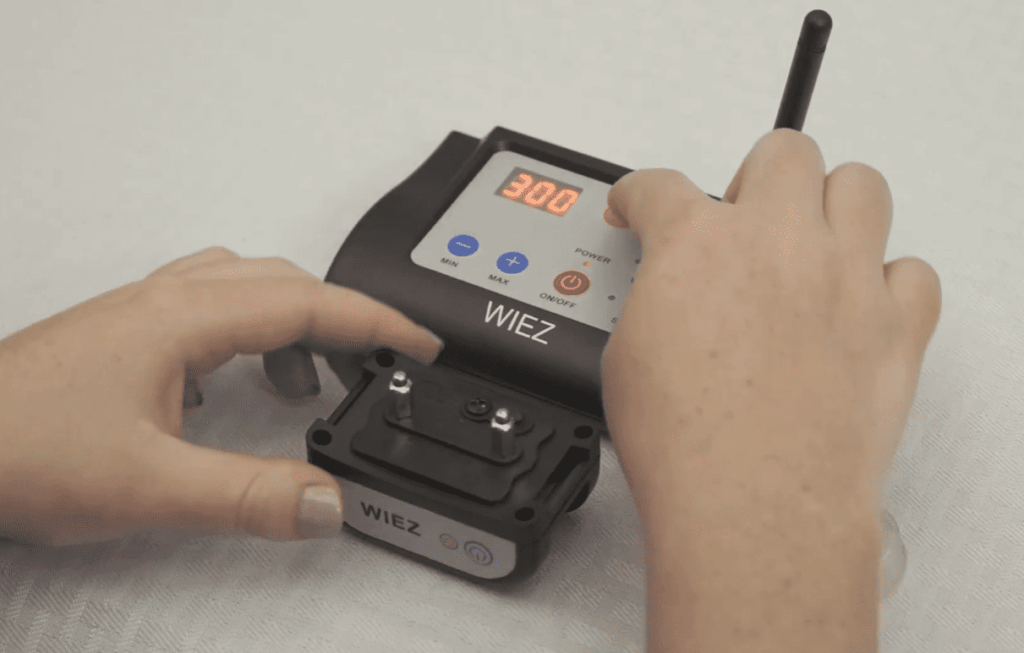
Performing a Hard Reset
Performing a hard reset can sometimes resolve the issue. The process involves pressing and holding specific buttons (refer to your user manual for the exact procedure) to restart the device.
Battery Draining Too Quickly
If you find that your Wiez Dog Collar’s battery is draining too quickly, there are a few potential causes and adjustments you can make.
Adjusting Power-Saving Settings
Adjusting the power-saving settings can significantly extend battery life. Lowering the vibration intensity or reducing the frequency of corrections can help.
Identifying Battery Health Issues
Over time, batteries can degrade, leading to quicker drainage. Checking the battery health and considering replacement if necessary is a viable step.
| Battery Health Indicator | Description | Recommended Action |
|---|---|---|
| Green | Healthy battery | No action needed |
| Yellow | Moderate health | Monitor battery life |
| Red | Poor health | Consider replacement |
By following these troubleshooting steps and maintaining your Wiez Dog Collar, you can resolve common power and battery issues, ensuring it continues to function effectively.
Charging Problems
Charging issues with your Wiez Dog Collar can be frustrating, but most problems have straightforward solutions. Ensuring your collar is properly charged is essential for effective training and maintaining your pet’s safety.
Collar Not Charging Properly
If your Wiez Dog Collar isn’t charging correctly, several potential causes and fixes are worth exploring.
Cleaning the Charging Contacts
Dirt or corrosion on the charging contacts can prevent charging. Clean the contacts gently with a soft cloth or cotton swab dipped in alcohol. Ensure they’re dry before charging again.
Testing the Charging Cable and Adapter
The issue might lie with the cable or adapter. Try using a different setup to rule out problems. If the collar charges then, the original might be faulty.
Checking for Water Damage
Water exposure can cause charging issues if internal components are compromised. Inspect the collar’s seals for damage. If you suspect water damage, let it dry completely before charging.
Charging Indicator Light Issues
The charging indicator light provides valuable information about the charging status. Understanding its patterns can help diagnose issues.
Understanding Light Patterns
The light may display different patterns to indicate charging status. For example, a steady red light might mean it’s charging, while green could mean it’s fully charged. Consult your user manual for specifics.
What Blinking Lights Mean
Blinking lights can signify various conditions, such as a low battery or charging issue. A blinking red light might indicate a charging problem. Refer to your manual for explanations.
By addressing these common issues and understanding the indicator light, you can keep your Wiez Dog Collar operational.
Key considerations include:
- Regularly cleaning charging contacts
- Using the correct cable and adapter
- Inspecting for water damage
- Understanding indicator light patterns
Remote Control Connectivity Issues
Remote control connectivity issues can significantly impact the effectiveness of the Wiez Dog Collar. Users may experience wireless dog collar issues due to signal interference or GPS inaccuracy, leading to false warnings or corrections.
To mitigate these issues, it’s essential to adjust the sensitivity settings according to your dog’s behavior and environment. Ensuring a proper fit of the collar is also crucial, as a loose or too tight fit can cause connectivity problems.
By troubleshooting these connectivity issues, you can maintain a reliable connection between the remote control and the Wiez Dog Collar. This ensures your dog remains safe within the designated boundaries, and you can enjoy a more reliable and stress-free experience with your pet.