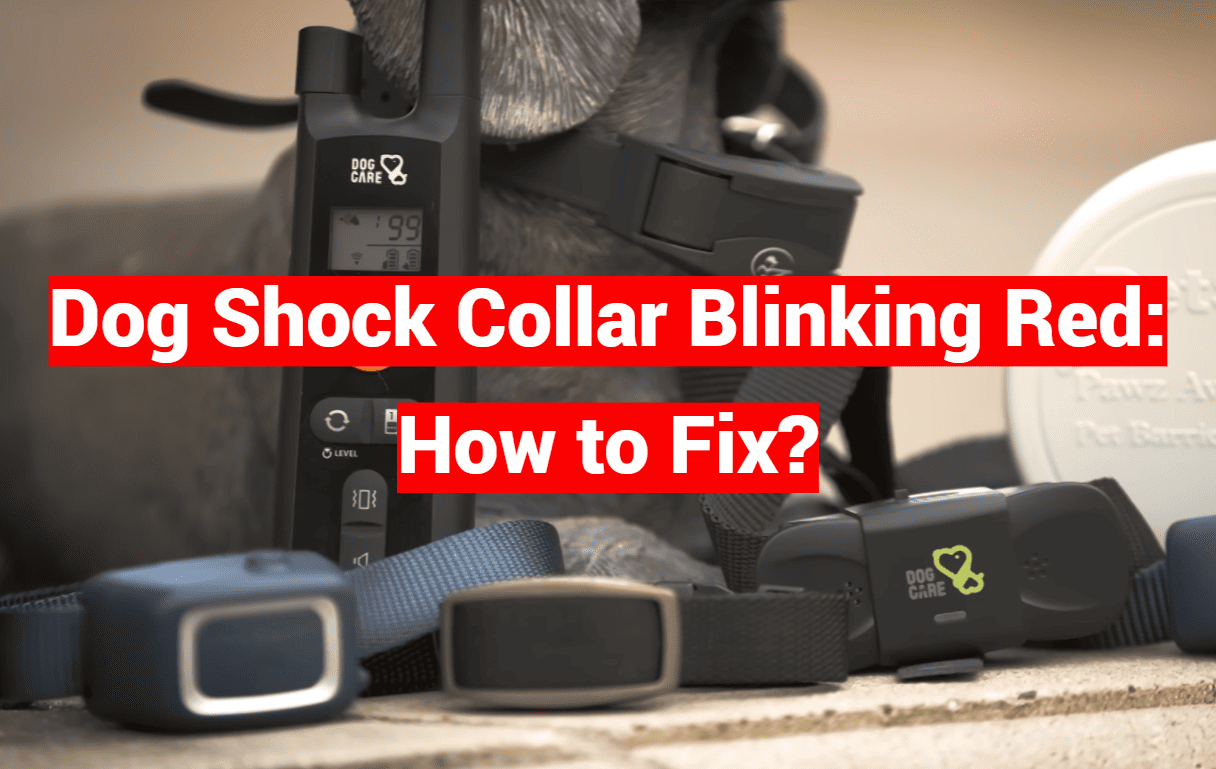
Did you know that over 40% of electronic pet training tool failures actually stem from simple maintenance oversights rather than broken gear? It feels quite stressful when your equipment starts acting up during an important outdoor session. Reliable communication with your pet relies on having a fully functional transmitter and receiver set.
If you see a blinking red light on your canine accessory, there is no immediate cause for alarm. This specific visual warning is a core part of dog shock collar troubleshooting for identifying power or pairing errors. Most of the time, the unit is just indicating that the internal battery is reaching a critical level.
Identifying the exact reason for the signal ensures your training routines stay on track without long interruptions. These modern safety devices use color-coded alerts for protecting your pet and simplifying the user experience. Let’s explore the most frequent reasons your device is acting this way.
Key Takeaways
- A crimson pulse usually signals a depleted power source requiring immediate charging.
- Connection drops between the handheld remote and the neck unit trigger alerts.
- Regularly cleaning the contact points ensures the device operates correctly.
- Minor software glitches are often resolved by performing a quick factory reset.
- Always inspect your charging cables for fraying or loose internal wires.
- Understanding these signals saves you from buying expensive replacement parts.
Understanding Your Dog Shock Collar’s Red Blinking Light
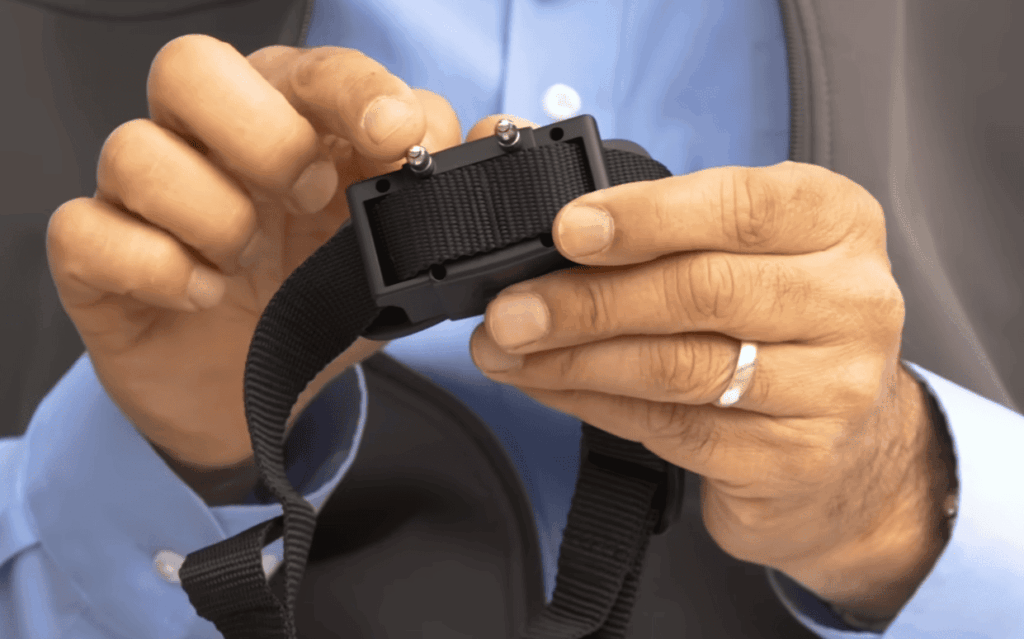
The red blinking light on your dog shock collar is more than just a visual signal; it’s a message that needs decoding. This indicator is designed to communicate the collar’s status or any issues it might be experiencing.
What the Red Light Indicator Means
The red light on your dog shock collar can signify various things depending on whether it’s solid or blinking and the speed of the blink. A blinking red light often indicates a low battery or that the collar is delivering a static correction. Understanding these signals is crucial for troubleshooting and ensuring your dog’s safety and comfort.
Different Blinking Patterns and Their Meanings
Different blinking patterns can have distinct meanings. It’s essential to familiarize yourself with these patterns to address any issues promptly.
Solid Red Light vs. Blinking Red Light
A solid red light typically signifies a different condition than a blinking one. For instance, a solid red light might indicate that the collar is powered on and functioning, whereas a blinking red light could signal a low battery or an active correction.
Fast Blinking vs. Slow Blinking
- Fast Blinking: Often indicates a more urgent issue, such as a very low battery or an intense static correction.
- Slow Blinking: May signify a less urgent condition, like a low battery that still has some charge left or a mild correction.
Recognizing these patterns can help you diagnose and potentially fix the problem with your dog shock collar.
Common Causes of a Blinking Red Light on Dog Shock Collars
A blinking red light on your dog shock collar can be caused by several factors, and understanding these causes is crucial for troubleshooting. The issue could range from a simple problem like low battery power to more complex issues such as system malfunctions.
Low Battery Power
One of the most common reasons for a blinking red light is low battery power. When the battery level falls below a certain threshold, the collar indicates the need for a recharge through the red blinking light. Ensuring your dog’s collar is adequately charged is essential for its proper functioning.
Charging Issues
Charging issues can also trigger the red blinking light. This could be due to problems with the charging cable or the contacts on the collar.
Faulty Charging Cable
A faulty charging cable can prevent the collar from charging properly. Inspect the cable for any signs of damage and replace it if necessary.
Dirty Charging Contacts
Dirty charging contacts on either the collar or the charging dock can disrupt the charging process. Regularly cleaning these contacts can help prevent this issue.
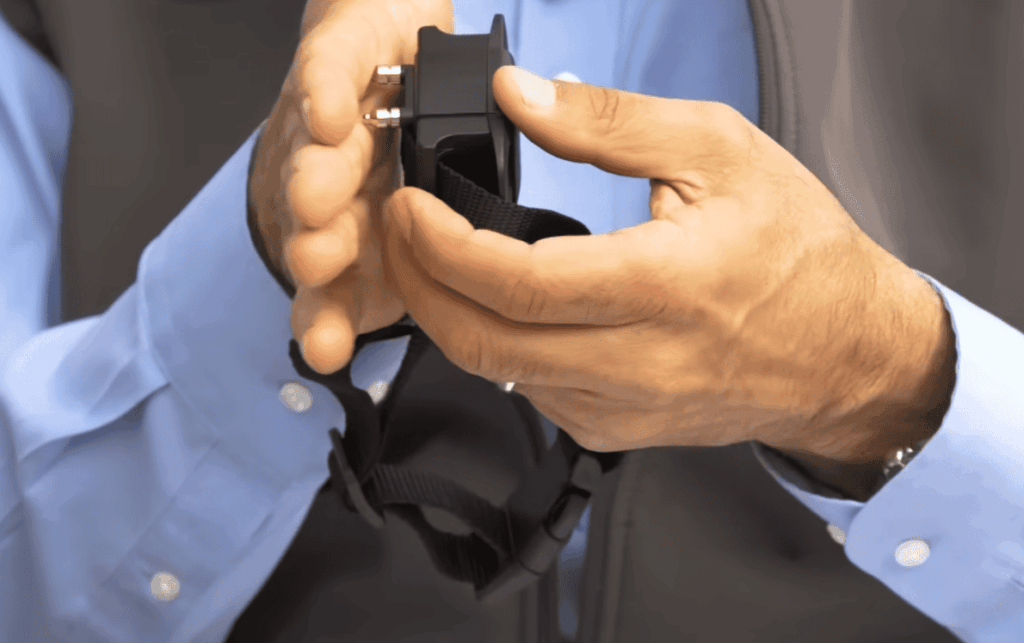
Connection Problems Between Collar and Remote
Sometimes, the blinking red light can indicate connection problems between the collar and the remote. This could be due to interference or a loss of pairing between the devices. Re-syncing the collar and remote may resolve this issue.
System Errors or Malfunctions
In some cases, a blinking red light may signal a more serious issue such as a system error or malfunction. This could be due to a software glitch or hardware failure, requiring further troubleshooting or professional assistance.
Dog Shock Collar Blinking Red: How to Fix?
Encountering a red blinking light on your dog shock collar can be frustrating, but with the right approach, you can identify and resolve the underlying issue. The blinking red light typically indicates a problem that needs attention, such as a low battery, charging issues, or a system malfunction.
Step 1: Check the Battery Level
The first step in troubleshooting a blinking red light is to check the battery level of your dog shock collar. A low battery is a common cause of this issue.
Testing Battery Charge
To test the battery charge, you can use the battery indicator on the collar or the remote control. If your device has a battery level indicator, check it to see if the battery is running low.
Understanding Battery Indicators
Battery indicators can vary between models, but most collars will have a clear indication of low battery, such as a flashing red light or a beep. Refer to your user manual to understand what the indicators mean for your specific device.
Step 2: Properly Charge the Collar
If the battery is low, charging the collar is the next step. Ensure you’re using the correct charging method for your device.
Cleaning Charging Ports
Before charging, inspect the charging ports on both the collar and the charger for dirt or debris. Cleaning these ports can ensure a proper connection and effective charging.
Using the Correct Charger
Always use the charger provided with your dog shock collar or a replacement recommended by the manufacturer. Using an incorrect charger can damage the battery or the collar’s electronics.
Step 3: Reset the Collar System
If charging doesn’t resolve the issue, resetting the collar system may be necessary. This can resolve issues caused by software glitches or temporary malfunctions.
Performing a Soft Reset
A soft reset typically involves turning the device off and then back on. This can be done by removing the batteries, waiting for a few seconds, and then reinserting them.
Performing a Hard Reset
A hard reset restores the device to its factory settings. The process for doing this varies by model, so consult your user manual for specific instructions.
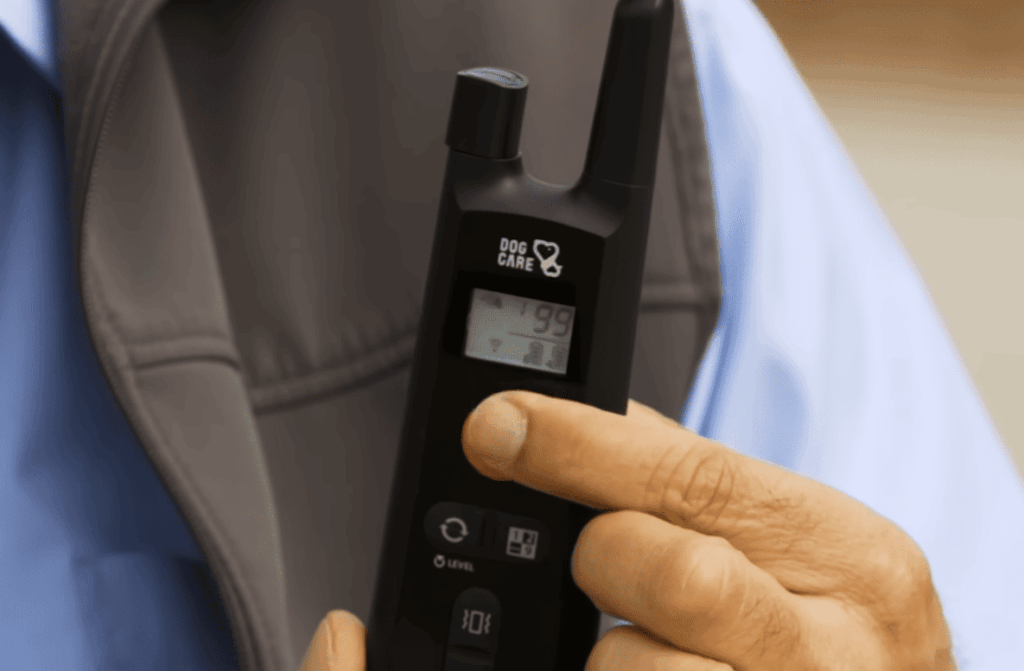
Step 4: Re-pair the Collar with the Remote
Sometimes, the issue may be with the connection between the collar and the remote control. Re-pairing the devices can resolve this problem.
To re-pair, follow the instructions provided in your user manual. This process usually involves putting both devices into pairing mode and waiting for them to connect.
Step 5: Inspect for Physical Damage
If none of the above steps resolve the issue, inspect the collar and remote for any signs of physical damage. Damage to the device can cause malfunction, including a blinking red light.
Check for cracks, broken parts, or signs of water ingress. If you find any damage, it may be necessary to contact the manufacturer for repair or replacement options.
Battery-Related Solutions for Blinking Red Lights
A blinking red light on your dog shock collar can be a sign of a battery problem, which can be resolved with proper care. The battery is a critical component of your dog shock collar, and issues related to it can cause the blinking red light indicator. Understanding how to properly manage and maintain the battery can help resolve the issue and ensure your collar functions as expected.
How to Properly Charge Your Dog Shock Collar
Proper charging is essential to maintaining your dog shock collar’s battery health. Improper charging techniques can lead to battery degradation and the blinking red light issue.
Optimal Charging Duration
The optimal charging duration varies by manufacturer, but most dog shock collars require between 2 to 4 hours to fully charge. It’s essential to consult your user manual for specific guidance on charging times to avoid under or overcharging.
Avoiding Overcharging
Overcharging can significantly reduce the lifespan of your dog shock collar’s battery. Once the battery is fully charged, it’s recommended to unplug the charger to prevent overcharging. Some modern collars have built-in protections against overcharging, but it’s still crucial to follow the manufacturer’s guidelines.
| Charging Practice | Recommended | Not Recommended |
|---|---|---|
| Charging Duration | 2-4 hours | More than 4 hours |
| Charging Frequency | As needed | Daily, if not used |
| Charger Type | Manufacturer-provided | Third-party chargers |
Identifying Battery Degradation
Battery degradation is a common issue that can cause the blinking red light on your dog shock collar. Signs of degradation include reduced battery life, swelling, or the collar not holding a charge.
If you notice any of these signs, it may be time to consider replacing the battery or the collar itself.
Replacing Rechargeable Batteries
Replacing the battery in your dog shock collar can be a cost-effective and environmentally friendly option. However, it’s crucial to use compatible battery types to ensure safety and performance.
Compatible Battery Types
The type of battery compatible with your dog shock collar depends on the manufacturer’s specifications. Common types include Lithium-Ion and Nickel-Metal Hydride batteries. Always refer to your user manual or contact the manufacturer to find out the recommended battery type for replacement.
- Lithium-Ion batteries are known for their high energy density and long cycle life.
- Nickel-Metal Hydride batteries offer a good balance between performance and cost.
By following these guidelines and maintaining your dog shock collar’s battery properly, you can resolve the blinking red light issue and ensure your collar continues to function effectively.
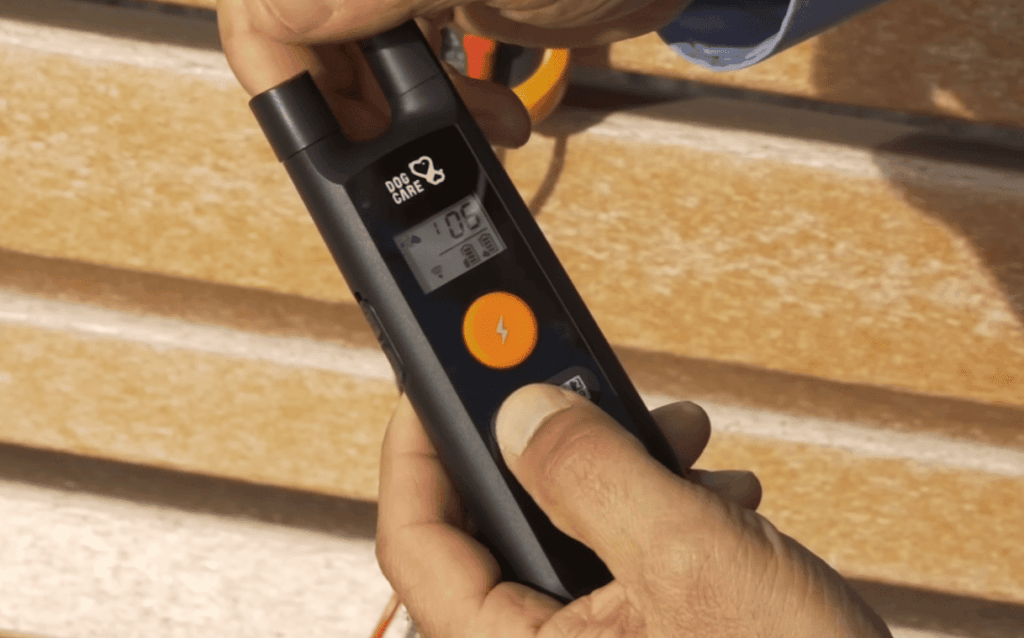
Fixing Connection and Pairing Issues
A blinking red light on your dog shock collar can be frustrating, but fixing connection and pairing issues can often resolve the problem. When the collar and remote are not communicating correctly, it can lead to a range of issues, including the red blinking light indicator.
Re-syncing the Collar and Remote
Re-syncing the collar and remote is a straightforward process that can resolve many connection issues. To do this effectively, follow the manufacturer’s instructions for pairing the devices.
Standard Pairing Procedures
To pair your dog shock collar and remote, follow these general steps:
- Turn on both the collar and the remote.
- Put the collar into pairing mode, usually by pressing and holding a specific button until it beeps or the light flashes.
- On the remote, select the option to pair a new collar or device.
- Wait for the devices to sync, indicated by a steady light or a confirmation beep.
Troubleshooting Failed Pairing
If the pairing process fails, try the following:
- Check that both devices are fully charged.
- Ensure you are following the correct pairing procedure for your specific model.
- Restart both devices and try pairing again.
- If issues persist, consult the user manual or contact the manufacturer’s support.
Troubleshooting Signal Interference
Signal interference can cause connection issues between the collar and remote. Common sources include other electronic devices, physical barriers, and radio frequency interference.
To minimize signal interference:
- Keep other electronic devices away from the collar and remote.
- Avoid using the collar in areas with high levels of radio frequency interference.
- Ensure a clear line of sight between the remote and the collar when in use.
Resetting Factory Settings
If all else fails, resetting the collar and remote to their factory settings can often resolve persistent connection issues. This process varies by manufacturer, so refer to your user manual for specific instructions.
Resetting to factory settings will erase all customized settings, so be prepared to reconfigure your preferences afterward.
Maintenance Tips to Prevent Red Blinking Light Issues
A well-maintained dog shock collar is less likely to experience issues like a blinking red light. To achieve this, several maintenance tips can be followed to prevent such problems.
Regular Cleaning and Care
Regular cleaning is essential to prevent dirt and debris from causing malfunctions.
Cleaning your dog shock collar regularly can help prevent issues. Dirt, sweat, and debris can accumulate and cause problems.
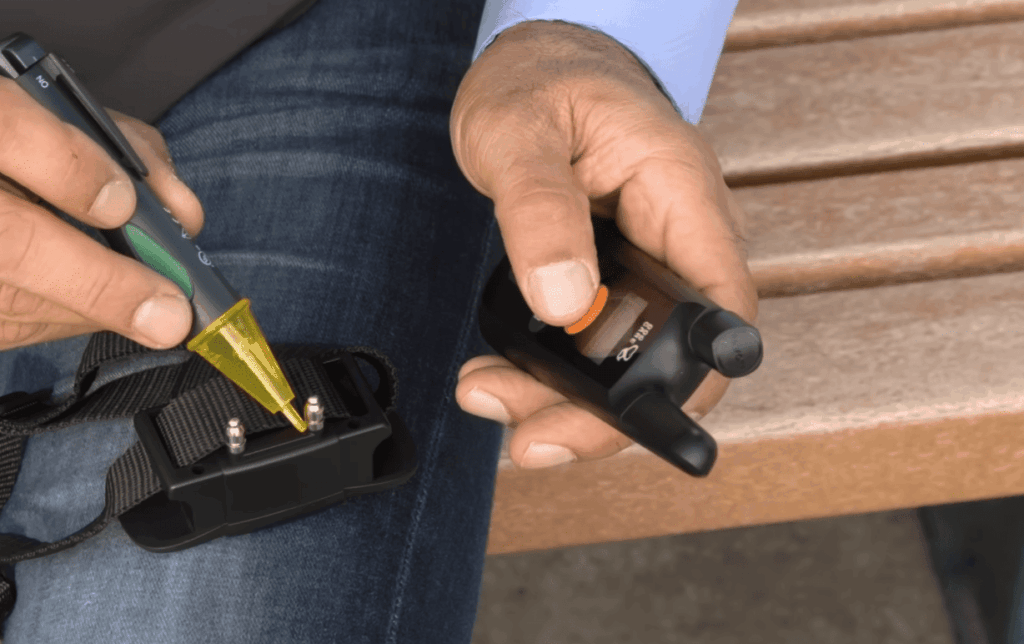
Cleaning Contact Points
The contact points on the collar should be cleaned regularly to ensure good conductivity.
Use a soft cloth and mild soap to clean the contact points. Avoid using harsh chemicals that could damage the collar.
Waterproofing Maintenance
Although many dog shock collars are waterproof, regular checks can ensure the waterproofing remains effective.
Inspect the collar’s seals and gaskets for signs of wear. If you notice any damage, consider replacing the collar or having it serviced.
Proper Storage Practices
How you store your dog shock collar when not in use can affect its longevity and performance.
Proper storage can prevent damage and maintain the collar’s effectiveness.
Temperature Considerations
Extreme temperatures can affect the collar’s battery and electronics.
Store the collar in a cool, dry place, away from direct sunlight or freezing temperatures.
Humidity Control
High humidity can lead to moisture accumulation inside the collar.
Keep the storage area dry to prevent moisture-related issues.
Routine Battery Maintenance
The battery is a critical component of your dog shock collar.
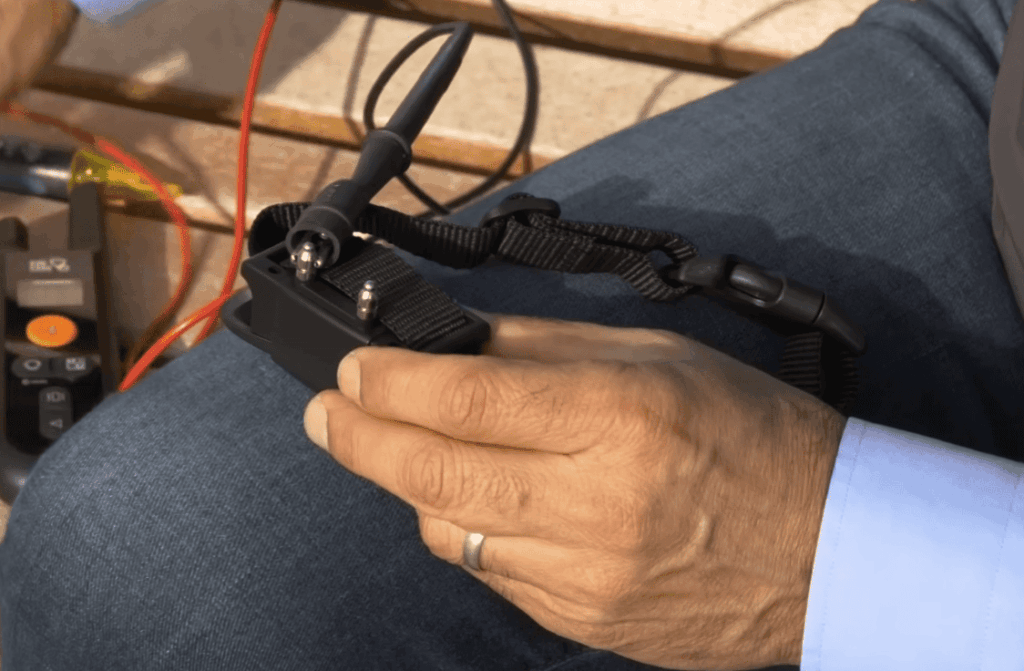
Regularly checking and maintaining the battery can prevent a blinking red light issue.
| Maintenance Task | Frequency | Benefit |
|---|---|---|
| Cleaning Contact Points | Weekly | Ensures good conductivity |
| Waterproofing Checks | Monthly | Maintains waterproof integrity |
| Battery Checks | Before Each Use | Prevents unexpected shutdowns |
By following these maintenance tips, you can significantly reduce the likelihood of your dog shock collar blinking red.
When to Replace Your Dog Shock Collar
Dog owners often wonder when it’s necessary to replace their dog shock collar, especially when it starts malfunctioning. A dog shock collar is a significant investment for pet training and safety. However, like any electronic device, it has a limited lifespan and may eventually need to be replaced.
The longevity of a dog shock collar depends on various factors, including usage, maintenance, and the quality of the device. Understanding when to replace your dog shock collar is crucial for ensuring your pet’s safety and the effectiveness of the training.
Signs Your Collar Has Reached End of Life
Several indicators suggest that your dog shock collar has reached the end of its life. These include:
- Persistent malfunctioning despite troubleshooting efforts
- Visible physical damage, such as cracks or broken parts
- Battery degradation that cannot be resolved by replacement or proper charging
- Outdated technology that no longer meets your training needs
If you notice any of these signs, it’s likely time to consider a new dog shock collar.
Safety Concerns with Malfunctioning Collars
Using a malfunctioning dog shock collar can pose safety risks to your pet. A collar that is not functioning correctly may deliver unintended shocks or fail to provide a shock when needed, potentially causing confusion or harm to your dog.
Moreover, a malfunctioning collar can lead to ineffective training, as your dog may not respond as expected to the commands. Ensuring your dog’s safety and the effectiveness of the training is paramount.
Choosing a Reliable Replacement Collar
When selecting a new dog shock collar, consider the following factors to ensure you choose a reliable and effective device:
- Quality and durability of the collar
- Advanced features that meet your training needs
- Brand reputation and customer reviews
- Compatibility with your dog’s size and temperament
By considering these factors, you can find a replacement collar that not only meets your needs but also ensures your dog’s safety and well-being.
Brand-Specific Troubleshooting for Popular Models
Troubleshooting a dog shock collar’s red blinking light requires understanding the specific brand’s indicators and fixes. Different brands have unique features and troubleshooting methods.
PetSafe Shock Collar Blinking Red Issues
PetSafe is a well-known brand in the dog training industry, offering a range of shock collars with advanced features. If your PetSafe shock collar is blinking red, there are specific steps you can take to resolve the issue.
PetSafe Remote Trainer Systems
For PetSafe Remote Trainer Systems, a blinking red light often indicates a low battery or a connection issue between the collar and the remote. Ensure that the collar is properly charged and that the remote is functioning correctly.
- Check the battery level of both the collar and the remote.
- Re-pair the collar with the remote if necessary.
- Consult the user manual for specific troubleshooting guides.
PetSafe Stubborn Dog Collars
The PetSafe Stubborn Dog Collar may blink red due to a system error or a malfunction. Try resetting the collar to its factory settings and re-pairing it with the remote.
- Reset the collar according to the manufacturer’s instructions.
- Check for any physical damage or debris that may be causing the issue.
- Contact PetSafe customer support if the problem persists.
SportDOG Brand Collar Troubleshooting
SportDOG is another popular brand offering high-quality dog shock collars. If your SportDOG collar is blinking red, follow the brand-specific troubleshooting steps.
SportDOG FieldTrainer Series
For the SportDOG FieldTrainer Series, a blinking red light may indicate a low battery or a connection issue. Ensure that the collar is properly charged and that the remote is functioning correctly.
Key troubleshooting steps include:
- Checking the battery level and charging the collar if necessary.
- Re-syncing the collar with the remote.
- Consulting the user manual for specific troubleshooting guides.
Garmin Dog Collar Red Light Problems
Garmin dog collars are known for their advanced GPS tracking features. If your Garmin collar is displaying a red light, it may indicate a specific issue that requires brand-specific troubleshooting.
Garmin Sport PRO Systems
For Garmin Sport PRO Systems, a red light may indicate a low battery or a system error. Try charging the collar and resetting it to its factory settings if necessary.
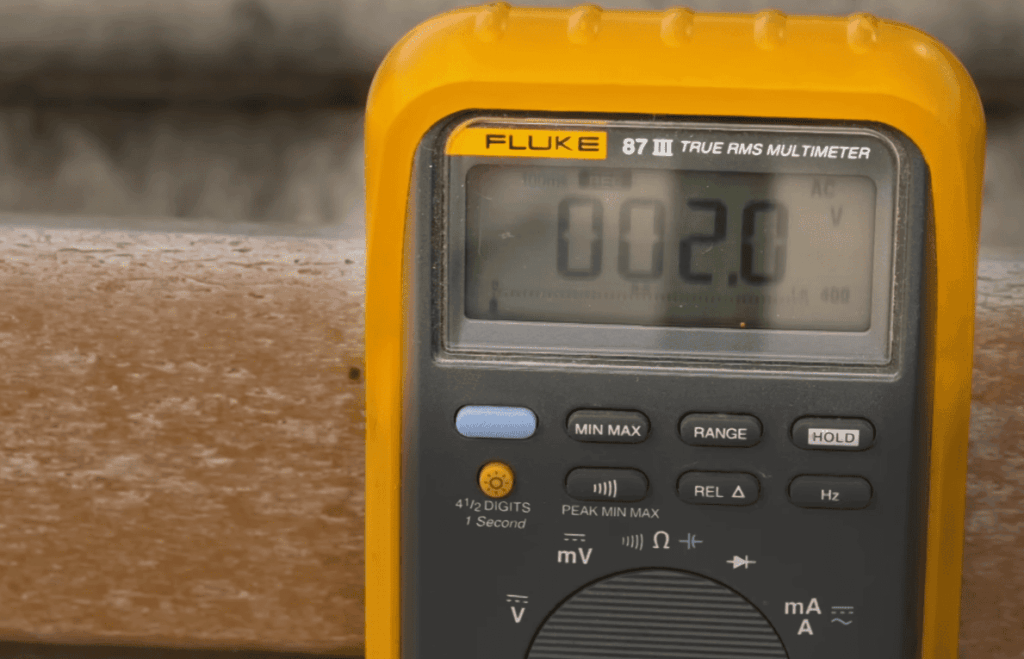
Additional troubleshooting steps:
- Check the battery level and charge the collar if necessary.
- Reset the collar to its factory settings.
- Contact Garmin customer support for further assistance.
Dogtra Collar System Fixes
Dogtra is a reputable brand offering a range of dog training collars. If your Dogtra collar is malfunctioning or displaying a red light, follow the brand-specific troubleshooting steps.
Dogtra 1900S Series
For the Dogtra 1900S Series, a red light may indicate a low battery or a connection issue. Ensure that the collar is properly charged and that the remote is functioning correctly.
Troubleshooting tips:
- Check the battery level and charge the collar if necessary.
- Re-pair the collar with the remote if necessary.
- Consult the user manual for specific troubleshooting guides.
Conclusion
Troubleshooting a dog shock collar blinking red can be straightforward when you understand the underlying causes and apply the right fixes. By following the steps outlined in this article, pet owners can identify and resolve issues related to low battery power, charging problems, connection issues, and system malfunctions.
A dog shock collar troubleshooting summary reveals that regular maintenance, proper charging, and re-pairing the collar with the remote can often resolve the blinking red light issue. For persistent problems, considering replacement or consulting the manufacturer’s guidelines, such as those for PetSafe or SportDOG brand collars, may be necessary.
By applying these insights, pet owners can ensure their dog shock collars function correctly, providing a safe and effective training experience for their pets.